Description
Master the complexities of intermodal logistics with our robust shipping container trailer. Designed for secure, efficient transport of ISO containers, our container chassis delivers exceptional durability and performance, maximizing your operational uptime.
ISO Shipping Container Trailer Specifications
| Payload (kgs): |
40000 |
| Tare weight (kgs): |
5600 |
| Kingpin: |
Bolt-in type 2” |
| Landing gear: |
Two-speed manual operation 19” |
| Tire size: |
385/65R22.5 (6 sets) |
| Rim size: |
11.75*22.5 (6 sets) |
| Suspension |
Spring suspension |
| Container locks |
12 (for 1x20GP, 2x20GP, 1x40HQ) |
| Painting: |
Two coats of anti-corrosion primer; one coat of finish painting |
| Accessory: |
One toolbox; one set of standard tool
With WABCO ABS brakes |
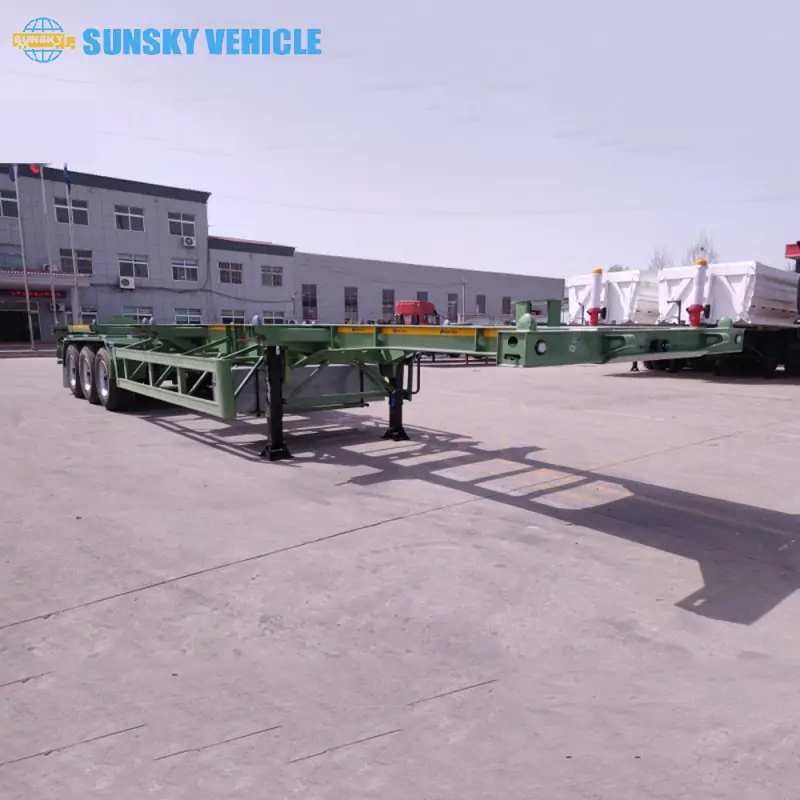
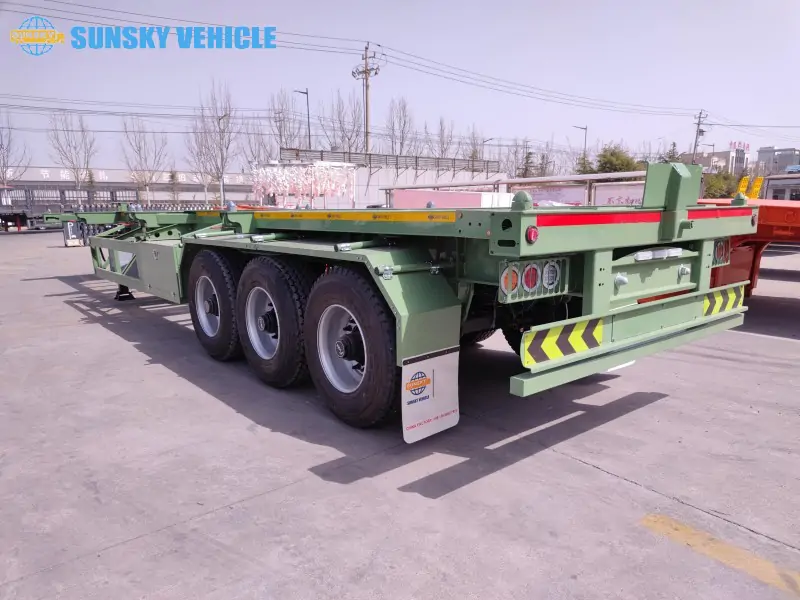
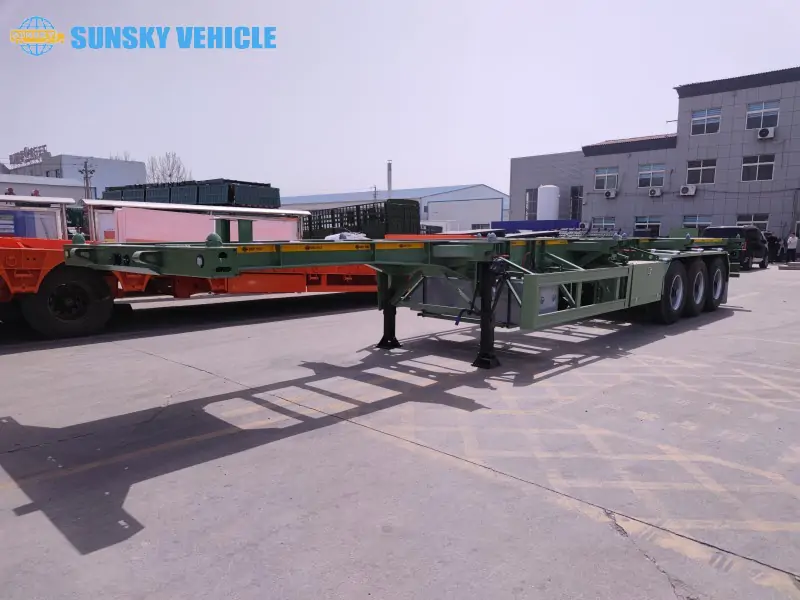
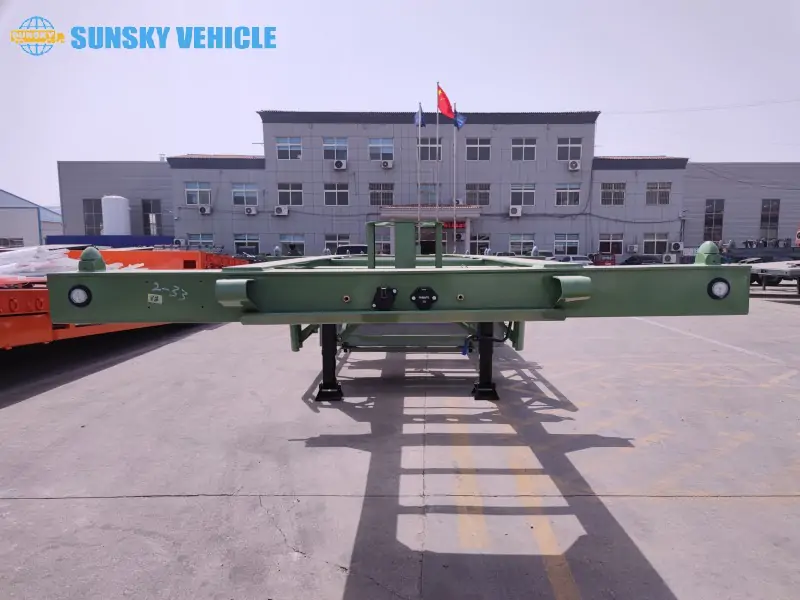
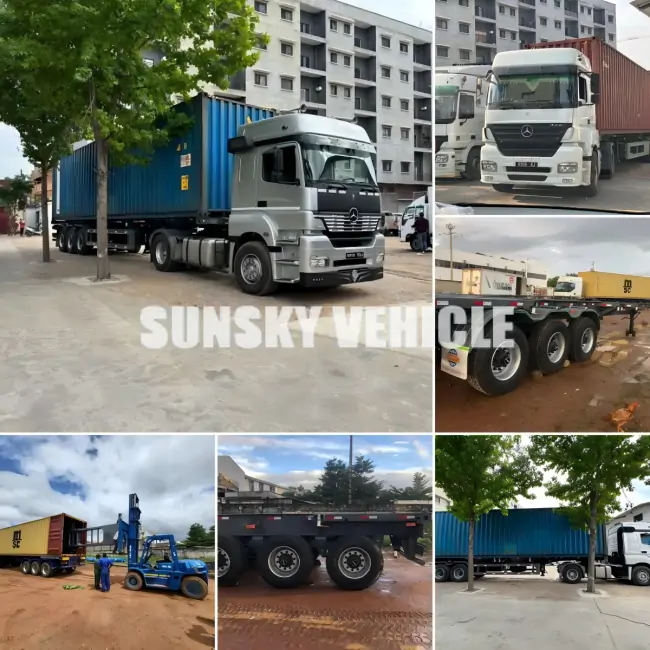
Container Shipping Trailer Image
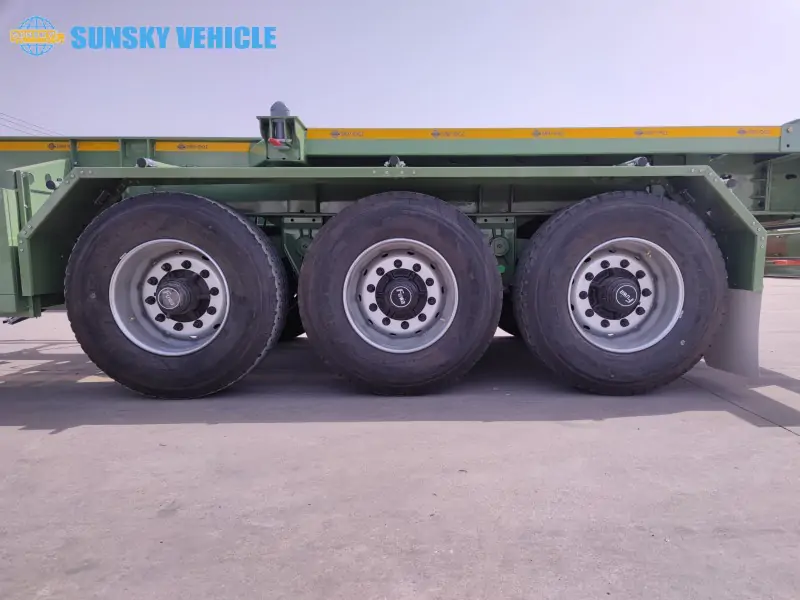
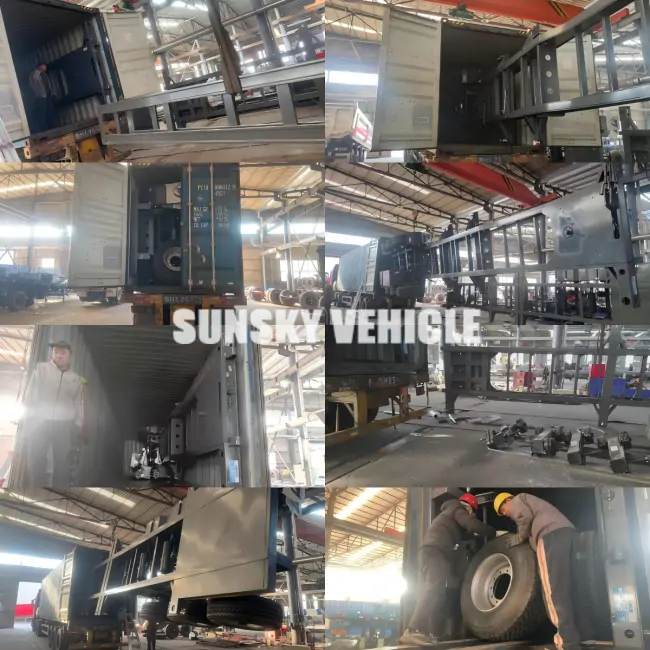
Shipping Container Trailer tire and suspension
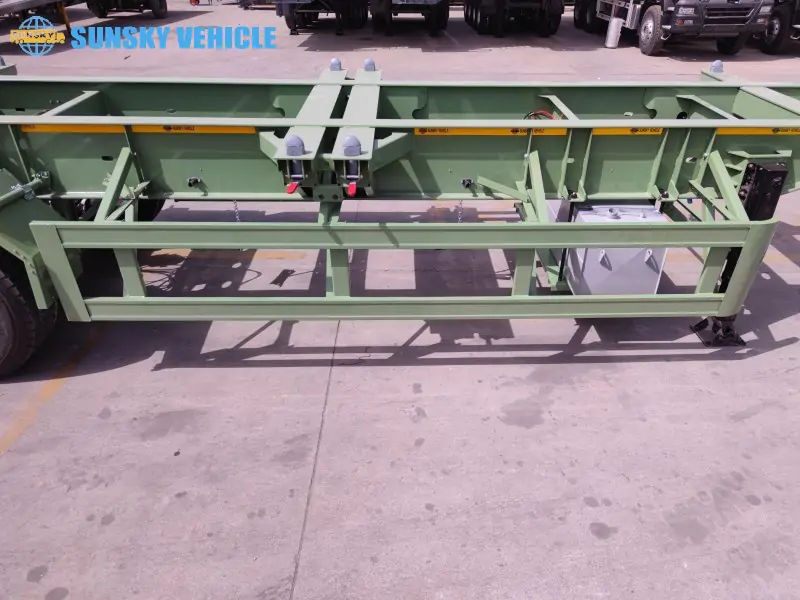
3-axle 40-foot chassis trailer chassis
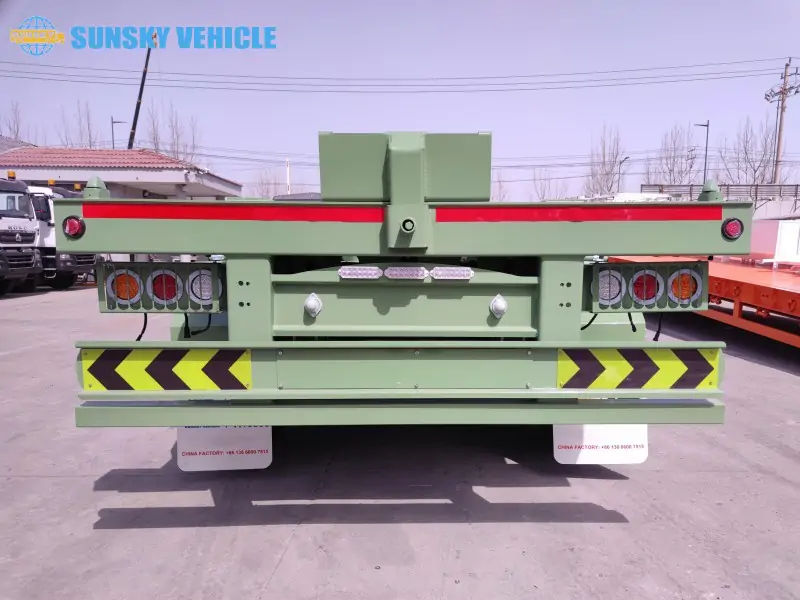
40ft shipping container trailer tail structure
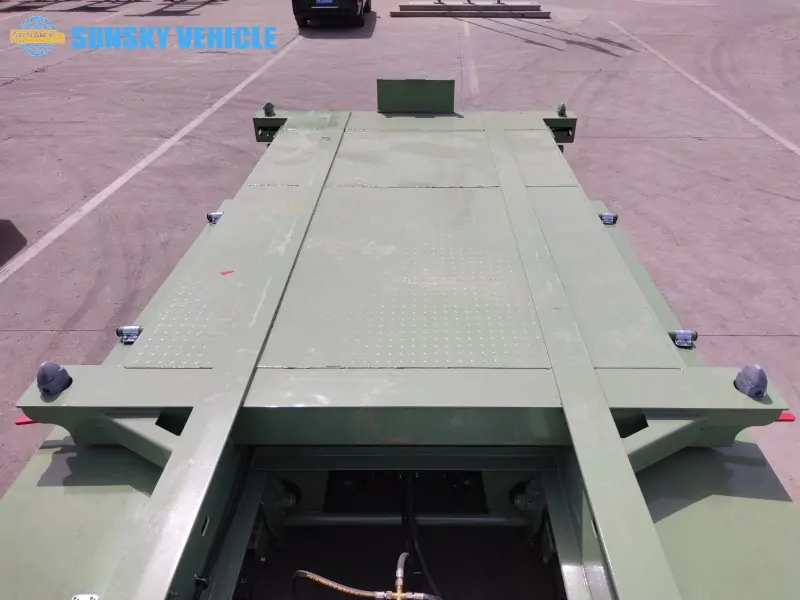
Shipping Container Trailer flat deck
Why Choose Our Shipping Container Trailers
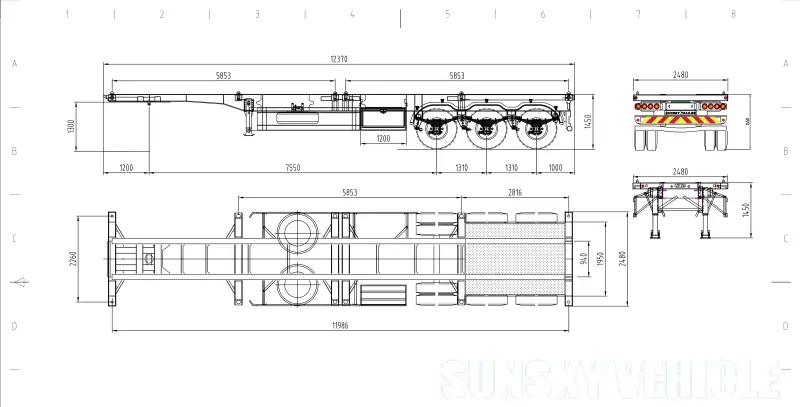
Shipping Container Trailer draw
Don’t let subpar equipment compromise your deadlines or your bottom line. Our expert team is ready to help you select or customize the ideal intermodal container chassis for your unique requirements. Contact us today for a personalized quote or to speak directly with a trailer specialist. Let’s build the future of your logistics together!
1.What key features should I look for to ensure my shipping container trailer is durable and long-lasting?
To ensure your shipping container trailer (also known as a container chassis or intermodal chassis) is durable and offers a long service life, focus on several key construction and material features. Firstly, the frame material is paramount; look for trailers built with high-tensile steel, which provides superior strength-to-weight ratio compared to standard steel, enhancing load capacity without excessive tare weight. The welding quality is also critical; robotic or expert manual welding ensures consistent, strong, and fatigue-resistant joints, especially in high-stress areas like the kingpin connection and axle mounts. Inferior welding can lead to premature cracks.
Secondly, pay close attention to the corrosion protection system. Given that these container hauling trailers often operate in harsh environments (e.g., salty air near ports, road salt), a multi-stage coating process is vital. This typically includes thorough sandblasting, an epoxy or zinc-rich primer, and a durable topcoat (like polyurethane or powder coating). Some premium ISO container trailers might even offer galvanized components for ultimate rust resistance. Lastly, examine the quality of the components: robust landing gear, heavy-duty twist locks, and reliable suspension systems (air ride often offers better cargo protection and driver comfort) contribute significantly to overall durability and reduced maintenance over time. Investing in these quality features minimizes downtime, prolongs the life of your container transport trailer, and ensures a higher return on investment.
2. How do shipping container trailers handle different ISO container sizes like 20ft, 40ft, and 45ft?
Shipping container trailers, or container chassis, are specifically designed with versatility in mind to accommodate various ISO container sizes, most commonly 20ft, 40ft, and sometimes 45ft. This adaptability is primarily achieved through a strategic arrangement of twist locks. A standard 40ft container chassis will have a set of twist locks at the front and rear to secure a 40ft container. For transporting a single 20ft container, there will be an additional set of twist locks located roughly in the middle of the chassis, allowing the smaller container to be secured in a balanced position. Some intermodal chassis are also designed to carry two 20ft containers simultaneously, with multiple sets of twist locks along the frame.
For 45ft containers, some container hauling trailers are specifically built as “45ft chassis” or offer an extendable chassis feature. An extendable chassis can mechanically extend its frame length to securely accommodate the longer 45ft containers, then retract for shorter containers or better maneuverability when empty. This modularity in twist lock placement and the option for extendable frames ensures that these ISO container trailers can efficiently and safely transport a wide range of standard container sizes, making them indispensable assets in the intermodal logistics chain for diverse cargo requirements.
3. What are the common types of suspension used on container chassis, and why does it matter?
The type of suspension on a container chassis (also known as a shipping container trailer or intermodal chassis) significantly impacts ride quality, cargo protection, and tire wear. The two most common types are mechanical suspension and air ride suspension.
Mechanical suspension, typically involving leaf springs, is the more traditional and generally less expensive option. It’s known for its robust simplicity and lower maintenance costs. While it provides reliable support for heavy loads, the ride can be stiffer, potentially transmitting more road shock to the container and its cargo. This type of suspension is very durable for rugged conditions.
Air ride suspension, on the other hand, uses air bags instead of springs to cushion the load. It offers a much smoother ride, which is crucial for protecting sensitive or fragile cargo from vibrations and impacts. This smoother ride also reduces stress on the chassis frame and tires, potentially extending their lifespan. Air ride systems often allow for manual ride height adjustment, which can be beneficial for coupling/uncoupling or navigating varying dock heights. While air ride container trailers might have a higher initial cost and require more maintenance due to air lines and compressors, the benefits in cargo protection, driver comfort, and reduced wear on the shipping container trailer often justify the investment, especially for long-haul or specialized container transport.